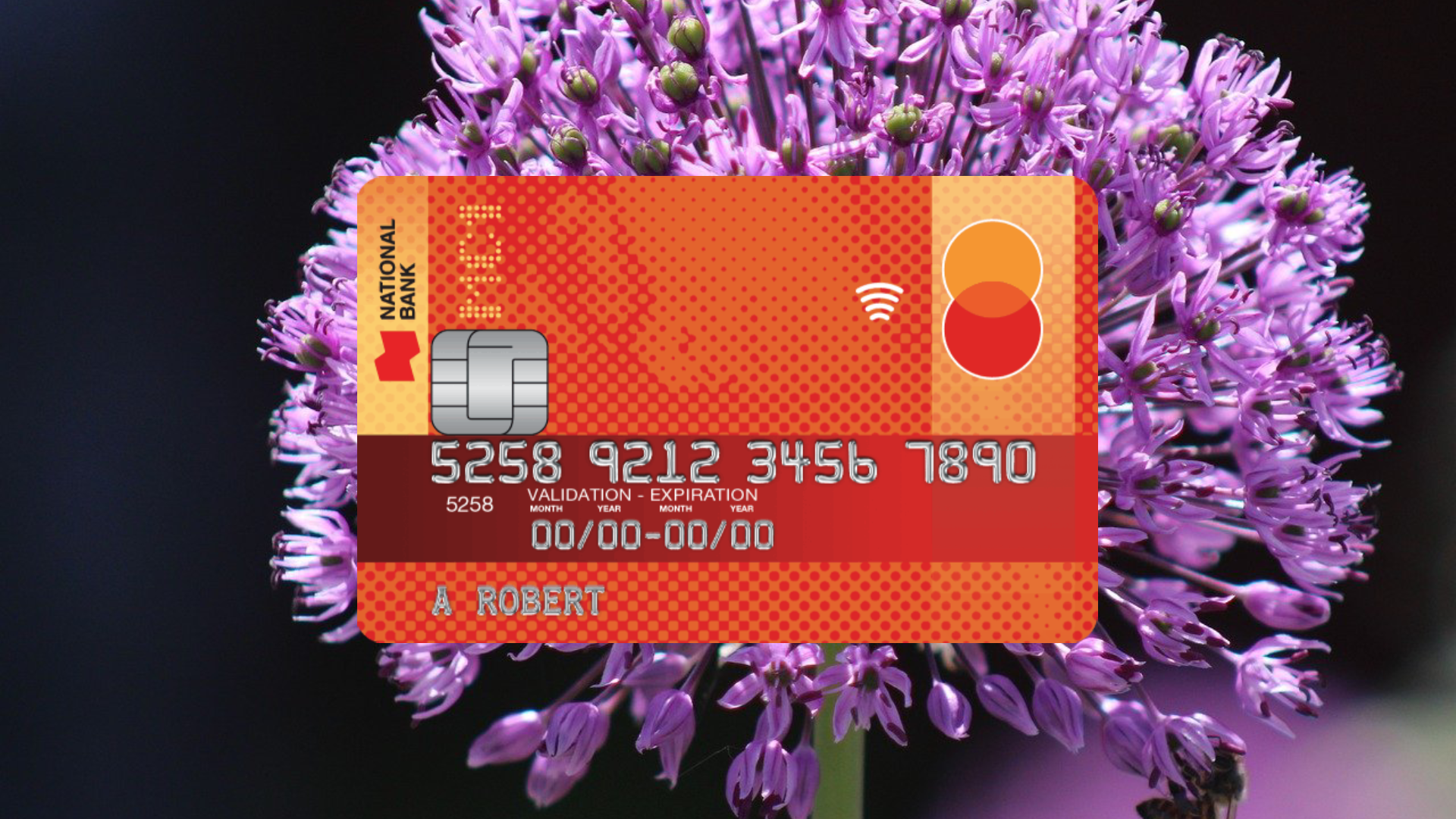
Impact of Credit Card Interest Rates on the Canadian Household Budget

The Hidden Costs of Credit Card Debt
Credit cards can offer convenience and flexibility, but they can also pose significant challenges for Canadian households. Many Canadians might not realize how even small fluctuations in interest rates can dramatically affect their monthly budgets. A 1% increase in interest could mean paying an additional $20 in interest for every $2,000 owed. It becomes evident that a mindful approach to credit is essential; it’s vital to ensure that credit serves as a tool and not a burden weighing down financial health.
Consider the following key points that illustrate the relationship between credit card interest rates and household budgets:
- High-interest debt can accumulate quickly. Unexpected expenses, such as medical bills or car repairs, can drive families into a cycle of debt. For instance, if a family uses their credit card to cover a $1,000 emergency at an interest rate of 19.99%, they could end up paying nearly $300 in interest if it takes them a year to pay it off.
- Average credit card interest rates in Canada. The average credit card interest rate in Canada typically hovers around 19-20%, and some cards may bear much higher rates. Knowing your rate is crucial; it allows you to strategize repayments effectively and select the best payment plans to stave off high-interest charges.
- Impact on budgeting. Allocating funds without considering interest charges can lead to overspending. If you allocate $300 of your monthly budget towards a credit card debt without factoring in the interest, you might mistakenly believe you can still afford other luxuries, potentially putting you further into debt.
Being proactive in understanding credit card terms is vital for maintaining financial stability. Savvy budgeting is not just about keeping track of expenses; it’s about mindfulness and intention. When you create a budget, consider setting limits on discretionary spending based on your total debt levels and interest rates.
Moreover, households can benefit greatly from:
- Informed financial decisions. Empower yourself with knowledge about interest rates and fees associated with different credit cards. For example, a card that offers rewards might not be worthwhile if it comes with a hefty annual fee and high-interest rates.
- Effective repayment strategies. Prioritize high-interest debts to minimize costs over time. If you have multiple debts, focus on the credit card with the highest rate first, a strategy known as the avalanche method, which can save you significant amounts in interest payments.
- Creating an emergency fund. Establishing a safety net can help avoid the temptation to rely on credit during unexpected crises. Aim to save three to six months’ worth of living expenses, which can significantly lessen the financial stress when emergencies arise.
In the following sections, we will delve into the nuances of credit card interest rates and their profound effects on your household budgeting journey. By taking these insights into account and implementing informed financial decisions, you can foster a healthier financial future. Let’s embark on this path to financial empowerment together!
DIG DEEPER: Click here to discover more about renewable energy investments</
Understanding the Weight of Credit Card Interest Rates
Credit card interest rates can have a profound impact on the financial well-being of Canadian households. Increasingly, families are finding that their monthly budgets are stretched thinner when interest rates rise, making it essential to recognize how these rates influence overall financial health. Understanding and actively managing interest rates on credit cards is not just a matter of smart financial planning; it’s crucial for preserving financial independence and stability.
When households fail to grasp the implications of credit card interest rates, they risk falling into a spiral of debt. A small monthly payment might seem manageable initially, but as interest continues to accrue, what seemed easy to tackle can become overwhelming. For instance, carrying a credit card balance of $5,000 with a 19.99% interest rate means incurring nearly $1,000 in interest over five years if only paying the minimum amount due each month. This financial strain can hinder a family’s ability to save for critical investments like a home or a child’s education.
There are several aspects to consider when it comes to credit card interest rates that can directly affect the household budget:
- The role of rising interest rates. With the current economic climate, the Bank of Canada frequently adjusts its interest rates in response to inflation and other economic factors. These adjustments often lead to increased borrowing costs, meaning that when households swipe their credit cards for everyday purchases, they may end up paying significantly more than expected due to higher interest rates.
- Monthly budgeting challenges. Many families budget monthly expenses without fully accounting for interest charges. This oversight can lead to overspending. If a household allocates a set amount for everyday expenses but neglects to factor in interest on carried balances, they may find themselves caught off guard when bills arrive, which could necessitate borrowing more on credit cards to cover unexpected costs.
- The psychological effects of credit card debt. The emotional burden of carrying a credit card balance can weigh heavily on individuals and families. Constantly worrying about debt can lead to stress and anxiety, negatively impacting overall mental health and quality of life. Recognizing that managing credit responsibly can help alleviate some of these pressures is key.
Taking control of credit card interest rates requires a proactive approach to financial management. It is an opportunity for households to not only address existing debt but to renegotiate terms or seek better credit options. By actively seeking out lower interest rates through balance transfers or consolidating debt, families can reclaim control over their financial destiny.
In the subsequent sections, we will explore actionable strategies to mitigate the impact of credit card interest rates on household budgets. With informed decisions and a conscious approach to financial management, families can build a brighter, more secure financial future together.
DISCOVER MORE: Click here to learn about choosing the best cashback credit card!
Empowering Financial Choices Through Awareness
An informed household is a powerful household. Understanding not only the immediate effects of credit card interest rates but also the long-term consequences can transform the way families interact with credit. This empowerment allows them to make decisions that align more closely with their financial goals rather than merely reacting to situations as they arise.
One crucial element in confronting credit card debt is recognizing the importance of interest rate comparison. Canadian consumers need to take a proactive stance by regularly reviewing credit card offers and interest rates across different providers. The market is competitive, and rates can vary significantly. Households that take the time to shop around might discover cards with lower rates, which can lead to substantial savings over time. For example, moving from a credit card with a 20% interest rate to one with a 12% rate can reduce interest charges drastically, even when balances remain high.
Furthermore, having a clarity on credit utilization ratios can aid families in managing their credit more effectively. This ratio, which compares the total credit amount utilized to the total available credit, should ideally remain below 30%. Exceeding this threshold not only harms credit scores but also incurs higher interest rates and fees in some cases. By minimizing the credit used and planning expenditures accordingly, households can cultivate better spending habits and keep their budgeting in check.
It’s equally important for Canadian families to develop a robust debt repayment strategy. Adopting methods such as the avalanche or snowball strategy can help families stay organized and motivated as they navigate credit debt repayment. The avalanche method focuses on paying off high-interest debt first, while the snowball method involves tackling smaller debts first to build a sense of accomplishment. Whichever method is chosen, creating a realistic and personalized plan can provide a path that makes debt repayment more manageable.
Building an emergency fund is another prudent strategy that complements credit management efforts. Families who set aside a small percentage of their income monthly to create a safety net can cushion themselves against unforeseen expenses. When unexpected expenses arise, such as medical bills or car repairs, families are less likely to resort to credit cards—reducing the need to accrue more debt and interest over time. This proactive approach not only safeguards them against financial pitfalls but also cultivates a strong habit of saving.
Lastly, fostering open conversations about money within the family unit can facilitate better financial understanding and communication. Engaging children and teenagers in discussions about budgeting, credit, and debt paves the way for responsible financial habits in future generations. By instilling these principles early, Canadian families are doing more than just securing their financial future; they are enriching their children’s lives with valuable skills that can lead to better financial decisions in adulthood.
As Canadians face rising interest rates and the pressures of daily living, a collective shift towards informed, conscious financial choices can not only optimize a household’s budget but also enhance overall well-being. Taking actionable steps today can create ripples of positive change in the broader financial landscape tomorrow.
DISCOVER MORE: Click here to learn how to invest safely
Charting a Path to Financial Resilience
In conclusion, the impact of credit card interest rates on the Canadian household budget cannot be overstated. With the potential to inflate monthly expenses and disrupt family finances, awareness and education are key to navigating these challenges. Embracing informed financial practices empowers households to conquer the obstacles that high-interest debt presents. By regularly comparing credit card rates, monitoring credit utilization, devising tailored debt repayment strategies, and building an emergency fund, families can effectively mitigate the potential drawbacks of credit usage.
Moreover, fostering open discussions about finances within families cultivates a culture of transparency and knowledge that will benefit future generations. As parents guide their children in understanding the implications of credit and budgeting, they instill lifelong skills that can lead to more responsible financial decisions in adulthood. The journey toward financial stability may be daunting, but with a proactive approach and a determination to make conscious choices, Canadian households can pave the way for future success.
Ultimately, the collective effort to prioritize financial literacy serves not only to alleviate household burdens but also contributes to a more resilient economic landscape in Canada. As we navigate the complexities of rising interest rates, let us remember that every informed choice made today can lead to a brighter financial tomorrow. By taking control of our financial habits, Canadian families can transform their economic realities and ensure a prosperous future for themselves and generations to come.

Linda Carter
Linda Carter is a writer and financial expert specializing in personal finance and financial planning. With extensive experience helping individuals achieve financial stability and make informed decisions, Linda shares her knowledge on our platform. Her goal is to empower readers with practical advice and strategies for financial success.