How the pandemic influenced credit card usage habits in the United Kingdom
Understanding the Shift in Credit Card Usage
The COVID-19 pandemic significantly influenced consumer behavior across the globe, particularly affecting how individuals in the United Kingdom use credit cards. With nationwide lockdowns and various restrictions, many had to adapt their spending habits to navigate through economic uncertainties. This period of change has provided a fresh perspective on personal finance and shaped new consumer trends.
Several key trends emerged during this transformative period:
- Increased Online Shopping: With high street shops temporarily closing their doors, more consumers turned to e-commerce as a safe alternative for shopping. The convenience of online platforms allowed individuals to buy everything from groceries to luxury goods, often using credit cards for these transactions. For instance, retailers like Amazon and local supermarkets expanded their online offerings, leading to a surge in credit card utilization to facilitate these purchases. This shift highlights the fact that convenience and security became paramount in the consumers’ decision-making process.
- Emergency Spending: The financial instability caused by job losses and furloughs prompted some individuals to turn to credit cards to cover essential expenses. For example, people who might have relied on savings for unexpected costs, such as home repairs or medical bills, found themselves using credit cards to manage daily expenditures. Although credit cards offer a safety net, this trend also raises concerns about long-term debt and the implications of relying on credit in times of crisis.
- Contactless Payments: Health concerns rapidly heightened the preference for contactless transactions, as consumers looked for ways to maintain hygiene while shopping. This resulted in a significant increase in the usage of contactless credit card payments. Retailers responded by enhancing their payment systems to accommodate this demand. According to recent reports, contactless payments became a preferred payment method not only due to convenience but also for the sake of safety during the pandemic.
These shifts not only reveal new spending patterns, but they also underscore a changing financial landscape in the UK. The trend towards online shopping indicates a technological adaptation among consumers, while the increase in emergency spending reflects a pressing need for financial agility during unprecedented times. Furthermore, the rise in contactless payments illustrates a long-term shift in payment preferences that may continue beyond the pandemic.
Understanding these emerging trends can provide invaluable insights into the evolving habits of UK consumers during and after the pandemic. As we adapt to these changes, it’s essential for consumers to remain aware of their financial health and reassess their spending habits to ensure a sustainable and responsible approach to personal finance moving forward.
DISCOVER MORE: Click here to learn how to budget effectively
Shifting Spending Patterns and Financial Trends
As the pandemic unfolded, its impact on consumer habits became increasingly evident. One significant shift was the way individuals approached spending, particularly with credit cards. As people adapted to new realities, several notable trends emerged, reshaping the financial landscape in the United Kingdom.
One of the most apparent changes was the transition to increased online shopping. With traditional retail outlets temporarily closed, many consumers had to rely on e-commerce platforms for their shopping needs. Credit cards became a popular choice for these online transactions due to their convenience and security features. For example, major retailers such as John Lewis and Tesco saw substantial growth in their online sales as shoppers turned to their websites for everything from essential supplies to non-essential goods. This shift not only highlighted a growing comfort with digital payments but also led to a marked increase in credit card usage, as more people opted for the flexibility that credit offers in a virtual shopping environment.
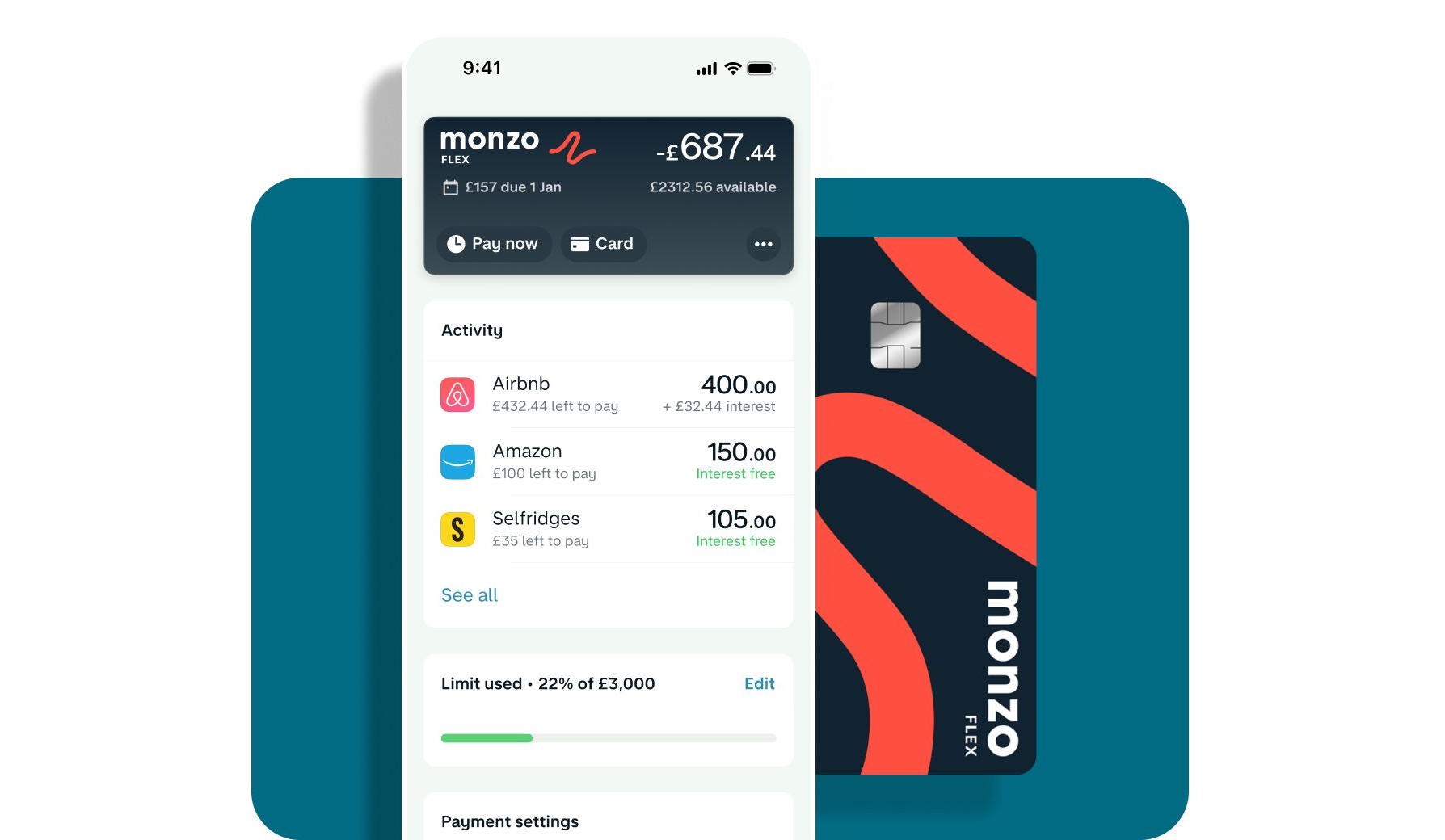
Alongside the boom in online shopping, many consumers faced troubling financial challenges due to job insecurities and sudden loss of income. As a result, emergency spending became a critical aspect of credit card usage during the pandemic. Individuals who previously relied on savings for unexpected expenses found themselves using credit cards to cover necessities such as household bills or grocery costs. For instance, a common scenario for many families involved using their credit card to bridge the gap between paychecks or to finance urgent expenses like home repairs. While credit cards provided immediate relief, this trend raised cautionary flags regarding the potential for long-term debt accumulation.
Another significant transformation was the increase in the use of contactless payments. With health concerns at the forefront of consumer minds, many opted for transactions that minimized physical contact. This resulted in a dramatic rise in contactless credit card payments at various retail outlets. The implementation of enhanced contactless payment systems by retailers further facilitated this shift. According to recent surveys, the proportion of transactions processed via contactless technology skyrocketed, showcasing not just a preference for ease of use but also a heightened concern for hygiene during shopping excursions.
- Adaptation to digital platforms: Increased reliance on online services prompted consumers to embrace technology for purchases.
- Emerging reliance on credit: The necessity of managing urgent financial needs through credit cards sparked a trend of increased borrowing.
- Health-conscious payment methods: The importance of safety led to a widespread shift towards contactless and digital transactions.
These key trends underscore a significant evolution in spending behavior among UK consumers in response to the pandemic. The shift towards online shopping reflects a growing acceptance of digital transactions, whilst the rise in emergency spending indicates a pressing need for financial adaptability during uncertain times. Moreover, the popularity of contactless payments is likely to represent a lasting change in consumer preferences, as safety and convenience continue to drive payment choices beyond the pandemic.
LEARN MORE: Click here to discover the application process
The Rise of Credit Card Rewards and Incentives
As the pandemic led to significant shifts in consumer spending, credit card issuers in the United Kingdom responded with an array of rewards and incentives aimed at attracting new customers and retaining existing ones. Many companies re-evaluated their offerings, introducing cashback schemes, points on online purchases, and bonus offers that appealed directly to the changing habits of consumers.
The increased emphasis on online shopping created fertile ground for credit cards to provide enhanced rewards for digital transactions. Several banks and credit card providers began offering higher cashback rates on online purchases, encouraging customers to utilize their credit cards for everyday necessities as they shopped from home. For example, a credit card might offer 5% cashback specifically on online groceries, effectively incentivizing families to use credit for their essential shopping while also promoting financial prudence.
Moreover, the push towards financial resilience and recovery amid economic uncertainty led many consumers to reconsider their spending strategies. Many individuals started to focus more on using credit cards to aid in managing their budgets, often placing importance on maximising benefits from their cards. This resulted in a greater appreciation for rewards programs that not only complemented their lifestyle but also provided a sense of financial security. Credit card holders shifted from merely holding cards for emergency use to actively utilising their benefits for everyday purchases.
Another notable trend was the surge in interest regarding balance transfers onto credit cards. With numerous consumers facing difficulties related to cash flow, many sought options that would allow them to manage outstanding debts more efficiently. The prevalence of enticing balance transfer offers, often featuring 0% interest for a specified period, tempted consumers to consolidate debt onto a single card. This move provided individuals with both immediate relief from interest payments and a structured path towards debt repayment during challenging financial circumstances.
The pandemic also acted as a catalyst for many consumers to take a closer look at their overall financial health, with a specific emphasis on credit management practices. Awareness grew surrounding the importance of maintaining a healthy credit score, as it became a crucial factor when seeking loans or financial tools during moments of crisis. As a result, many credit card users began to focus on paying off balances in full to avoid accruing interest, demonstrating a growing maturity in financial decision-making that aligns with long-term health rather than short-term convenience.
- Enhanced rewards programs: Credit card providers adapted their offerings to attract consumers who are spending more online.
- Shift towards financial prudence: Consumers became increasingly mindful of using credit cards as tools that could enhance financial management.
- Increased interest in balance transfers: Taking inventory of existing debts led many to consolidate onto cards with lower interest rates.
This shift towards more strategic use of credit cards, alongside a keen awareness of rewards and benefits, demonstrates how the pandemic not only transformed spending behaviours but also nurtured a newfound sensibility among consumers regarding their financial choices. Ultimately, the landscape of credit card usage in the UK has changed dramatically, with trends likely to influence how people engage with credit long after the pandemic has passed.
DISCOVER MORE: Click here for a complete guide
Conclusion
The pandemic has undeniably reshaped credit card usage habits in the United Kingdom, ushering in a new era of consumer behaviour that prioritizes both rewards and financial prudence. As individuals adjusted to lockdown restrictions and the rise of online shopping, they began to leverage credit card benefits in ways that were previously less common. The introduction of enhanced rewards for digital purchases allowed consumers to feel a sense of achievement in their spending, encouraging them to utilize credit cards not just for emergencies but for everyday expenses.
This period of economic uncertainty prompted many consumers to take a closer look at their financial health, sparking a more tactical approach to credit management. The increased interest in balance transfers highlights a growing trend of consolidating debt onto credit cards offering attractive terms, enabling individuals to alleviate financial pressure in a more manageable manner. Furthermore, the pandemic has fostered a widespread understanding of the importance of maintaining a good credit score, which has encouraged responsible borrowing and timely repayments.
Moving forward, these changes suggest a lasting impact on credit card usage in the UK. As consumers continue to embrace digital spending and reward programs, credit card issuers will likely adapt their offerings to cater to this evolved landscape. Overall, the pandemic has served as a powerful catalyst for **mindful spending** and a renewed focus on financial wellbeing, helping consumers cultivate healthier relationships with credit that will endure long after the crisis has subsided.