International Credit Cards: How to Avoid Hidden Fees When Traveling
Understanding Financial Challenges When Traveling Abroad
Traveling to new countries can be one of life’s most enriching experiences, opening doors to different cultures, delicious cuisines, and spectacular sights. However, this excitement can be dampened by financial challenges, particularly when it comes to using your credit card internationally. It’s crucial to grasp the various hidden fees associated with international credit card transactions, as making informed decisions can lead to significant savings during your travels.
Common Hidden Fees to Be Aware Of
When you venture abroad, your credit card may incur several fees that can quickly add up. Here are a few to keep an eye on:
- Foreign Transaction Fees: Many credit cards impose a fee—typically around 1% to 3%—for purchases made in a foreign currency. For instance, if you purchase a lovely piece of art for £100 in Paris, you could potentially pay an extra £3 just for the privilege of using your card.
- Dynamic Currency Conversion: Some merchants, especially tourist hotspots, might give you the option to pay in GBP instead of the local currency. While this may seem convenient, they often offer a less favourable exchange rate compared to your bank. This means you could end up paying more than if you stuck with the local currency.
- ATM Fees: Withdrawing cash abroad can lead to multiple charges, including flat fees from the ATM operator and conversion fees from your bank. For example, if you take out £200, you might be hit with a £5 charge for using an ATM, plus another charge for conversion—leaving you with less cash than you expected.
Selecting the Right Credit Card
To navigate these potential pitfalls, it is essential to select a credit card that offers features tailored to international travelers. Here’s what to look for:
- No Foreign Transaction Fees: Consider cards that waive these fees entirely. Many UK banks, such as Chase and some offerings from Barclays, have options specifically aimed at travelers.
- Competitive Exchange Rates: Look for credit cards that provide market exchange rates, which can significantly reduce the cost of currency conversion. Cards like the Halifax Clarity card are known for their traveller-friendly rates.
- Travel Rewards: Some cards give you points or cashback on your international spending, which can be a fantastic way to earn benefits while you travel. This can lead to free hotel nights or air miles, making your future trips even more enjoyable.
By understanding these charges and selecting the right credit card, you can enhance your travel experience, allowing you to focus on creating memories instead of worrying about hidden fees. In the upcoming sections, we will explore in detail how to choose the best international credit card tailored to your travel needs.
DIVE DEEPER: Click here to enhance your financial knowledge
Identifying Potential Fees Before You Travel
Before you embark on your international adventure, it’s essential to understand how credit card fees can impact your budget. Awareness of these charges is the first step towards avoiding unnecessary expenses while you explore new destinations.
When you make purchases in a foreign country, using your credit card might seem straightforward. However, it’s vital to read the fine print and ask yourself three crucial questions: What fees does my credit card charge for international transactions? Am I aware of what dynamic currency conversion means? And, am I informed about the additional fees associated with ATM withdrawals abroad?
Considerations for Your Travel Budget
Understanding these questions can help you make informed choices that will ultimately benefit your travel budget. Here’s a closer look at some important considerations:
- Know Your Card’s Fees: Before traveling, check the terms and conditions of your credit card. Many banks provide direct access to this information on their websites or mobile apps. If your card charges foreign transaction fees, consider applying for a travel-friendly credit card that waives these fees.
- Dynamic Currency Conversion Explained: When faced with the option to pay in GBP or local currency, always opt for the local currency. Dynamic currency conversion can seem appealing, but the conversion rates often include hefty markups. For example, choosing to pay £50 for a meal in euros could result in a conversion rate substantially higher than the market rate, costing you more than necessary.
- Understand ATM Withdrawals: If you plan to withdraw cash, verify the policies of your credit card issuer regarding foreign ATMs. Some banks may charge higher withdrawal fees for international transactions, while others may have partnerships with global ATM networks that can reduce or eliminate these charges. Always check the fees beforehand to avoid surprises.
By knowing specific costs associated with your credit card, you can adapt your spending habits or even switch cards before your journey. This step can lead to substantial savings, ensuring more of your budget is available for excursions, dining, and shopping overseas.
Avoiding Fees Through Proper Planning
Another effective strategy to avoid hidden fees is through diligent planning. Researching your destination can help you understand the best payment options available locally. For example, in some countries, cash might be a necessity at smaller establishments. Knowing this will allow you to plan your budget more effectively, ensuring that your travel wallet aligns with the expected costs of goods and services.
Lastly, stay connected with your bank or credit card provider while you travel. Consider informing them of your itinerary to prevent your card from being flagged for suspicious activity when making purchases abroad. Keeping communication lines open can provide you with timely updates on any changes to fees or policies while you are away.
By being proactive and informed, you can navigate the potential financial challenges of international travel with confidence, making your journey as enjoyable and worry-free as possible.
DISCOVER MORE: Click here for insights on economic changes
Making Informed Choices While Abroad
Once you’ve prepared yourself for your trip by understanding potential fees, the next step is to make smart financial choices while you are abroad. The decisions you make daily can significantly impact how much you spend and the fees you incur. Here are some vital strategies to consider:
Utilise Your Credit Card Wisely
Using your credit card effectively while traveling can lead to savings and convenience. Always remember to select the local currency when paying for goods and services. Not only does this help avoid dynamic currency conversion fees, but it often provides you with a better exchange rate than if you were to pay in your home currency.
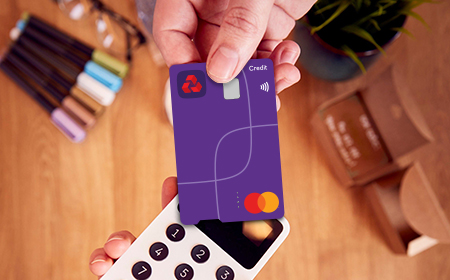
Moreover, consider the use of contactless payments where available. Many areas, especially in Europe, are increasingly moving toward a cashless society. By leveraging contactless payment options through your phone or card, you can not only speed up transactions but may also find some merchants offer special promotions or lower fees for digital transactions.
Monitor Transaction Notifications
Thanks to technology, staying informed about your transactions has become much easier. Enable transaction alerts on your credit card account to receive notifications for purchases made abroad. This not only provides peace of mind by keeping you aware of any unauthorized transactions but also helps you track your spending in real-time. You can adjust your budget accordingly if you see that you are spending more than expected.
Furthermore, regularly checking your bank statements can help you identify if any unexpected fees have been applied post-trip, allowing you to dispute them quickly if necessary. It’s a wise practice that can help maintain your financial health even after your travels are complete.
Consider Using a Multi-Currency Account
If you frequently travel to multiple countries, consider setting up a multi-currency bank account or a travel-focused debit card. These accounts often come with lower fees on international transactions and allow you to hold funds in various currencies. For instance, if you frequently travel to Europe, you could convert and store euros in advance, insulating yourself from exchange rate fluctuations and additional transaction fees.
Using a multi-currency account can also simplify your budgeting, as you’ll know exactly how much you’re spending in each currency without the need for immediate conversions. This not only helps you keep track of your budget more efficiently but also ensures you’re not at the mercy of fluctuating exchange rates every time you swipe your card.
Explore Alternative Payment Options
While credit cards are widely accepted, some places may favour cash transactions, particularly in markets, small eateries, or off-the-beaten-path locations. Research your destination in advance to understand whether cash is essential. In those scenarios, using currency exchange services wisely can save you from excessive fees. Avoid exchanging currency at airports or hotels, where distributors often charge higher rates. Instead, look for reputable local exchange offices or ATMs that offer reasonable rates.
Additionally, consider using peer-to-peer payment apps that can help minimize transaction costs when paying for services or splitting bills with other travellers. Make sure, however, that these options align with your existing accounts and don’t carry excessive fees of their own.
By making informed choices and utilising the variety of tools available to you, you can navigate international transactions with ease, ultimately enhancing your travel experience without breaking the bank.
DIVE DEEPER: Click here to learn more about credit cards
Conclusion
In conclusion, navigating the world of international credit cards can seem daunting, but equipping yourself with the right knowledge and strategies can greatly enhance your travel experience while avoiding unnecessary fees. Understanding the potential costs and selecting the local currency when making purchases abroad are two crucial steps that can save you significant amounts of money. By opting for digital payment methods and enabling transaction alerts, you not only streamline your spending but also gain better control over your finances while overseas.
Moreover, if you often find yourself travelling to various countries, consider setting up a multi-currency account as an effective means to mitigate fees and avoid fluctuating exchange rates. This will help you keep your budgeting straightforward and manageable. Remember that while credit cards are widely accepted, carrying some local cash can also be advantageous, especially in local markets or when dining in smaller establishments.
By adopting these strategies and being proactive about your financial choices, you can ensure that your travels are not hindered by hidden credit card fees. Ultimately, a little preparation and awareness go a long way in protecting your hard-earned money, enabling you to focus on creating memorable experiences instead. As you embark on your next adventure, keep these tips in mind to make the most of your international credit card use and enjoy your travels to the fullest.