Strategies for Using Credit Cards as a Credit-Building Tool in the UK
Strategies for Building Your Credit Score with a Credit Card
Using a credit card wisely can be an effective strategy to build and improve your credit score, particularly in the UK. A strong credit rating is essential for achieving various financial goals, including securing loans, obtaining a mortgage, or even renting a property. By following a few key strategies, you can navigate the complexities of credit effectively.
Understand Your Credit Report
A crucial first step in managing your credit is to regularly check your credit report. In the UK, you can obtain a free credit report from agencies such as Equifax, Experian, or TransUnion. This will give you insight into your credit history, including any missed payments or outstanding debts. For example, if you notice an overdue account on your report, it’s important to address it promptly to avoid further impact on your score. Additionally, understanding how your credit score is calculated can empower you to make informed financial decisions. A well-informed consumer is much more capable of leveraging their credit to their advantage.
Choose the Right Card
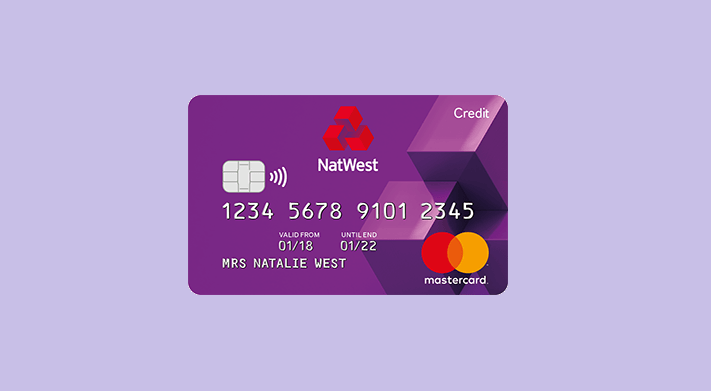
Not all credit cards are created equal, so it’s wise to opt for credit cards designed specifically for building credit. These cards often come with lower credit limits and more manageable fees, making it easier for you to stay within your budget. Examples of good options include cards from providers like Capital One or Aqua, which cater to those looking to improve their credit score. When selecting a card, consider the annual percentage rate (APR) and any applicable fees—ensure they align with your financial strategies.
Make Timely Payments
One of the most significant factors affecting your credit score is your payment history. Therefore, always pay your bills on time. Not only does timely payment help you avoid penalties and interest, but it also demonstrates to lenders that you are responsible with credit. A practical approach to ensure you meet payment deadlines is to set up direct debits for your minimum payments. This way, you can avoid forgetting to pay your bill — especially during busy months — and maintain a positive payment history.
In the UK, it’s also essential to keep track of your spending and manage your credit utilization. Lenders report to major credit agencies, including Equifax and Experian, and they typically prefer to see a utilization rate below 30% of your credit limit. For instance, if your credit limit is £1,000, aim to keep your balance below £300. This demonstrates that you’re not overly reliant on credit, which can help in maintaining a healthy score.
By following these strategies—understanding your credit report, choosing the right credit card, and making timely payments—you can effectively turn your credit card into a powerful tool for financial growth and responsibility. Taking these actions not only prepares you for future borrowing but also sets the foundation for a sound financial future.
DIVE DEEPER: Click here to learn more about the best debt consolidation plans</
Fundamentals of Responsible Credit Management
Before diving into specific strategies, it’s important to understand some fundamental principles of responsible credit management. Becoming proficient in handling credit was essential not only for immediate financial needs but also for laying the groundwork for future financial opportunities. Here are some foundational concepts to grasp:
Establish a Budget
To utilize credit cards effectively as a tool for building your credit score, creating a budget is vital. By outlining your income and categorizing your expenses, you can better manage how much you can afford to charge to your credit card each month. This practice helps to prevent overspending and allows you to avoid accumulating debt that can affect your credit score negatively. For instance, if your typical monthly expenses total £1,500 and your disposable income is £300, you should plan to charge only a portion of that to your credit card and ensure that you can pay it off in full by the due date.
Utilise Your Card Regularly
While it’s important to avoid excessive spending, using your credit card regularly can show lenders that you are active and responsible with credit. Making small, manageable purchases and paying them off promptly is an excellent way to establish a positive credit history. For example, consider using your credit card for regular purchases such as groceries or petrol. This way, not only do you build your credit history, but you also earn potential cashback or rewards associated with your card.
Limit Your Credit Applications
Applying for multiple credit cards in a short period can be detrimental to your credit score. Each application results in a hard inquiry on your credit report, which can signal to lenders that you are in financial distress. To avoid this, limit your credit applications and only apply for cards that fit your financial strategy. If you feel the need to apply for a new card, consider spacing out applications and monitoring the impact on your credit score.
Monitor Your Credit Utilisation Rate
A crucial aspect of using credit cards for building your credit score is maintaining a low credit utilisation rate. This metric measures how much of your available credit you are using; ideally, you want to keep this number well below 30%. To illustrate, if your credit limit is £1,500, your outstanding balance should remain below £450. Keeping your utilisation low demonstrates to credit agencies that you are not financially constrained, thereby enhancing your creditworthiness.
By establishing a budget, using your credit card regularly, limiting credit applications, and monitoring your credit utilisation, you can confidently navigate the world of credit. Each strategy builds upon the other, setting you up for long-term success as you work towards improving your credit score and achieving your financial aspirations.
DON’T MISS OUT: Click here to enhance your financial knowledge
Enhancing Your Credit Profile Through Strategic Use
Beyond the fundamentals of responsible credit management, there are additional strategies you can employ to maximise the benefits of your credit card as a credit-building tool. By adopting these methods, you’ll not only strengthen your credit profile but also cultivate good financial habits that will serve you well in the future.
Set Up Payment Reminders
One of the simplest yet most effective strategies is to set up payment reminders. Missing a payment can significantly impact your credit score, as payment history is one of the most important factors in determining your credit standing. Most credit card providers allow you to opt for email or SMS alerts before your payment due date. By staying on top of your payments, you help to ensure a positive credit history. For example, if you have set a reminder for the last week of every month, you will have ample time to ensure your balance is cleared before the deadline.
Consider Becoming an Authorized User
If you’re just starting your credit journey, consider asking a family member or close friend to add you as an authorized user on their existing credit card. This can be particularly beneficial if they have a strong credit score and a good payment history. As an authorized user, you’ll benefit from their positive credit activity, which can help you establish your own credit history. Remember, it’s essential that the primary cardholder maintains low balances and timely payments; otherwise, their credit behaviour could adversely affect your credit score.
Use Your Card for Recurring Payments
Another practical approach is to use your credit card for recurring payments such as subscriptions, insurance, or utility bills. This strategy not only ensures that you consistently use your card but also helps to build a reliable payment history. For instance, if you have a monthly gym membership or a streaming service, pay for these with your credit card. Just ensure the total charges remain within your budget and that you promptly pay off the balances to avoid accumulating interest.
Take Advantage of Reward Programs Wisely
Many credit cards offer reward programs, which provide benefits ranging from cashback to travel points. While it’s tempting to chase the rewards, it’s crucial to use them responsibly. Focus on earning rewards from expenses that you would have incurred anyway, thereby avoiding unnecessary spending just for the sake of rewards. For instance, if you usually spend £50 a week on groceries, using a rewards card for this can accumulate points without stretching your budget. Additionally, be mindful of any potential fees associated with the rewards programme.
Review Your Credit Report Regularly
Staying informed about your credit standing is critical. Review your credit report regularly to identify any errors or fraudulent activities that could impact your score. In the UK, you are entitled to request a free copy of your credit report from the major agencies like Experian, Equifax, and TransUnion once a year. By checking your report, you can verify that all information is accurate and address any discrepancies swiftly. This not only protects your credit score but also teaches you more about the factors influencing your credit status.
Utilising these strategies effectively can have a significant impact on your credit profile over time. By implementing measures such as setting payment reminders, becoming an authorized user, managing recurring payments, leveraging rewards wisely, and frequently reviewing your credit report, you will take substantial steps towards building a robust credit score. These practices help to fortify your financial future and position you favourably with lenders when seeking larger loans, such as mortgages or personal loans, in the years to come.
DISCOVER MORE: Click here to delve deeper
Conclusion
In summary, effectively using credit cards can be a transformative strategy for anyone looking to build their credit history in the UK. By implementing payment reminders, you can ensure timely payments, which are crucial for maintaining a strong credit score. Additionally, leveraging the advantages of being an authorized user allows you to benefit from someone else’s good credit habits and helps lay the groundwork for your own credit profile.
Utilising your credit card for recurring payments not only promotes consistent card use but also aids in establishing a reliable payment history. Moreover, staying mindful of reward programs enables you to enjoy benefits without succumbing to the temptation of unnecessary spending. Lastly, regularly reviewing your credit report ensures that you are aware of your financial standing, allowing you to correct any inaccuracies that may hinder your progress.
Ultimately, the key to successful credit building lies in cultivating responsible spending habits and making informed decisions. By incorporating these strategies into your financial routine, you’re not only improving your credit score but also reinforcing your financial literacy. This foundation will position you well when seeking larger credit needs, such as mortgages or personal loans, enhancing your overall financial well-being. Remember, consistent effort leads to long-term results, so stay proactive in managing your credit card use as a powerful tool for building a brighter financial future.